Dentistry In Germany


Study abroad expert advice
Don't waste time! just fill the form to get help.
Dentistry in Germany for Pakistani Students – Fees, Admission & Study Guide
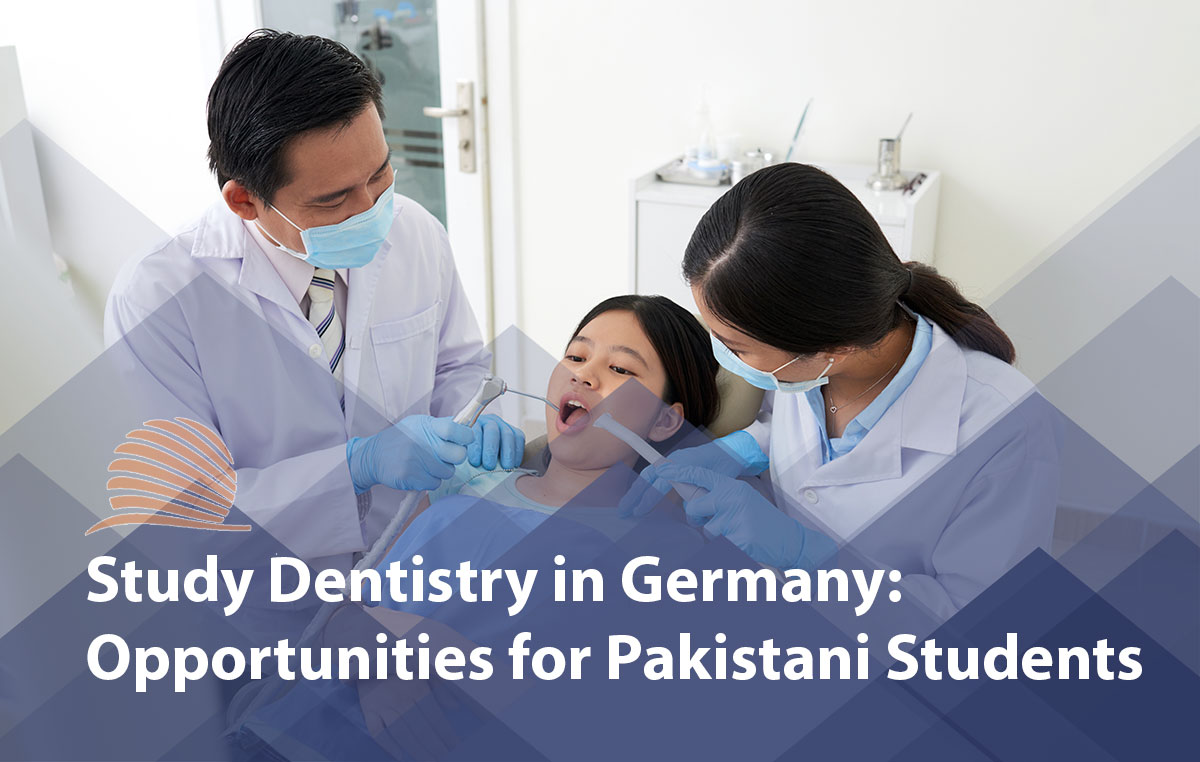
Dentistry in Germany is an attractive option for Pakistani students who want to pursue dental education in a highly developed European education system. German universities are known for strong academic standards, practical training, modern facilities, and structured professional education. However, studying dentistry in Germany requires careful preparation because most dentistry programs are taught in German and admission can be highly competitive.
For Pakistani students, the process may involve checking academic eligibility, meeting German language requirements, preparing for a possible Studienkolleg pathway, and understanding university-specific admission rules. Students should also consider future professional registration requirements before selecting a program.
Why Study Dentistry in Germany?
Germany offers a well-established environment for students interested in dental education. Dentistry programs combine scientific knowledge with practical and clinical training, helping students develop the skills required for professional dental practice.
Some key benefits of studying Dentistry in Germany for Pakistani students include:
- High academic and professional standards
- Modern dental laboratories and clinical facilities
- Strong practical and theoretical training
- Opportunities to study at established public and private universities
- Relatively low tuition at many public universities
- Access to a developed healthcare and research environment
- Opportunities for postgraduate dental education
- International exposure and European study experience
Admission to dentistry is competitive, so students should prepare their academic and language profile well in advance.
Dentistry Programs in Germany
Dentistry in Germany is generally offered as a professional State Examination (Staatsexamen) program rather than following the same bachelor's and master's structure used in many other countries. For example, dentistry programs at universities such as Goethe University Frankfurt and the University of Freiburg are taught in German and have a standard study period of around 11 semesters.
The curriculum normally covers areas such as:
- Anatomy and physiology
- Biochemistry and pathology
- Dental materials
- Oral pathology
- Periodontology
- Prosthodontics
- Orthodontics
- Endodontics
- Oral and maxillofacial surgery
- Preventive and clinical dentistry
Students gradually move from scientific and pre-clinical education toward practical dental training.
German Language Requirements for Dentistry
One of the most important factors for Pakistani students is the German language requirement. Dentistry programs in Germany are generally taught in German. For example, the University of Freiburg lists German C1 as the language requirement for its dentistry program.
Students should therefore begin German language preparation before applying. Depending on their academic background and university requirements, students may need to complete a preparatory pathway such as Studienkolleg before entering university.
For students whose qualifications do not provide direct university access, the M-Kurs at Studienkolleg can be relevant for dentistry and other health-related fields.
Eligibility for Dentistry in Germany for Pakistani Students
Pakistani students need an appropriate higher education entrance qualification to apply for dentistry in Germany. The exact pathway depends on the student's academic qualifications and how they are assessed for German university admission.
Students may need:
- FSc Pre-Medical, A-Levels, or equivalent qualification
- Strong academic grades, particularly in science subjects
- Valid passport
- Academic transcripts and certificates
- German language certificate
- Proof of university entrance qualification
- Medical or other supporting documents where required
- Studienkolleg qualification if applicable
Admission to dentistry can be restricted and competitive. Universities may also apply specific selection procedures for international applicants.
Dentistry in Germany: Fees for Pakistani Students
One of the major attractions of studying in Germany is that many public universities do not charge conventional tuition fees, although students normally pay a semester contribution. However, fees vary according to the university and state.
For example, the University of Cologne lists a semester fee of €355.65 for the winter semester 2026/27.
| Expense | Typical Consideration |
|---|---|
| Public University Tuition | Often no standard tuition |
| Semester Contribution | Varies by university |
| Private University Tuition | Significantly higher |
| Accommodation | Depends on city and housing |
| Food & Living | Depends on lifestyle |
| Health Insurance | Required |
| Visa & Travel | Additional expenses |
Students should prepare a complete financial plan covering living expenses, accommodation, insurance, travel, visa-related costs, and study materials.
Admission Process for Dentistry in Germany
Pakistani students should begin by checking whether their academic qualification provides direct access to a German university. If additional preparation is required, the student may need to complete Studienkolleg and pass the relevant assessment examination.
The general process includes:
1. Check eligibility: Determine whether your Pakistani qualification is accepted for university entry.
2. Learn German: Start German language preparation early and work toward the level required by your target university.
3. Select universities: Compare dentistry programs, admission rules, language requirements, fees, and application deadlines.
4. Prepare documents: Arrange academic certificates, transcripts, passport, language certificate, and other required documents.
5. Apply: Submit the application through the university or the required application platform.
6. Complete visa formalities: After receiving the required admission or preparatory-course documentation, proceed with the German student visa process.
Scholarships for Dentistry in Germany
Pakistani students can explore different scholarship opportunities for studying in Germany. Scholarship availability depends on the student's academic profile, university, level of study, and funding program.
Students should not assume that a scholarship will cover all expenses. A realistic financial plan should include living costs, accommodation, health insurance, travel, and study-related expenses.
Career Opportunities After Dentistry in Germany
Dentistry graduates can pursue professional opportunities in dental clinics, hospitals, research, academia, and specialized dental fields. Students may also continue with postgraduate education and professional specialization.
Pakistani students planning to return home after graduation should check the latest requirements for recognition, registration, and professional practice in Pakistan. Those planning to work in Germany should also understand the applicable professional licensing requirements.
FAQs – Dentistry in Germany
Is Dentistry in Germany a good option for Pakistani students?
Germany can be an excellent option for students who have strong academic qualifications and are prepared to learn German. However, admission to dentistry is competitive and students should understand the language and eligibility requirements before applying.
Is Dentistry in Germany taught in English?
Most full dentistry degree programs in Germany are taught in German. Pakistani students should therefore be prepared to meet the required German language level.
What is the cost of Dentistry in Germany?
At many public universities, students may not pay conventional tuition fees but are required to pay semester contributions. Private universities can be considerably more expensive. Living and accommodation costs are additional.
What German language level is required for Dentistry?
The exact requirement varies by university, but advanced German proficiency is generally necessary. Some universities specify C1 German for dentistry admission.
Can Pakistani students study Dentistry in Germany after FSc Pre-Medical?
Pakistani FSc Pre-Medical students may be eligible, but their qualification must be assessed according to German university admission rules. Some students may need a preparatory pathway such as Studienkolleg before entering university.
How long does Dentistry in Germany take?
The standard dentistry program is generally around 11 semesters, although the exact duration and examination structure can vary by university.
Can I practice dentistry in Pakistan after studying in Germany?
Students who plan to practice in Pakistan should fulfill the current recognition, registration, and licensing requirements applicable to foreign dental graduates. These requirements should be checked before choosing a university.
Are scholarships available for Pakistani students in Germany?
Scholarship opportunities may be available, but eligibility and funding vary. Students should research scholarships according to their academic level, university, and intended study program.