MBBS in Russia


Study abroad expert advice
Don't waste time! just fill the form to get help.
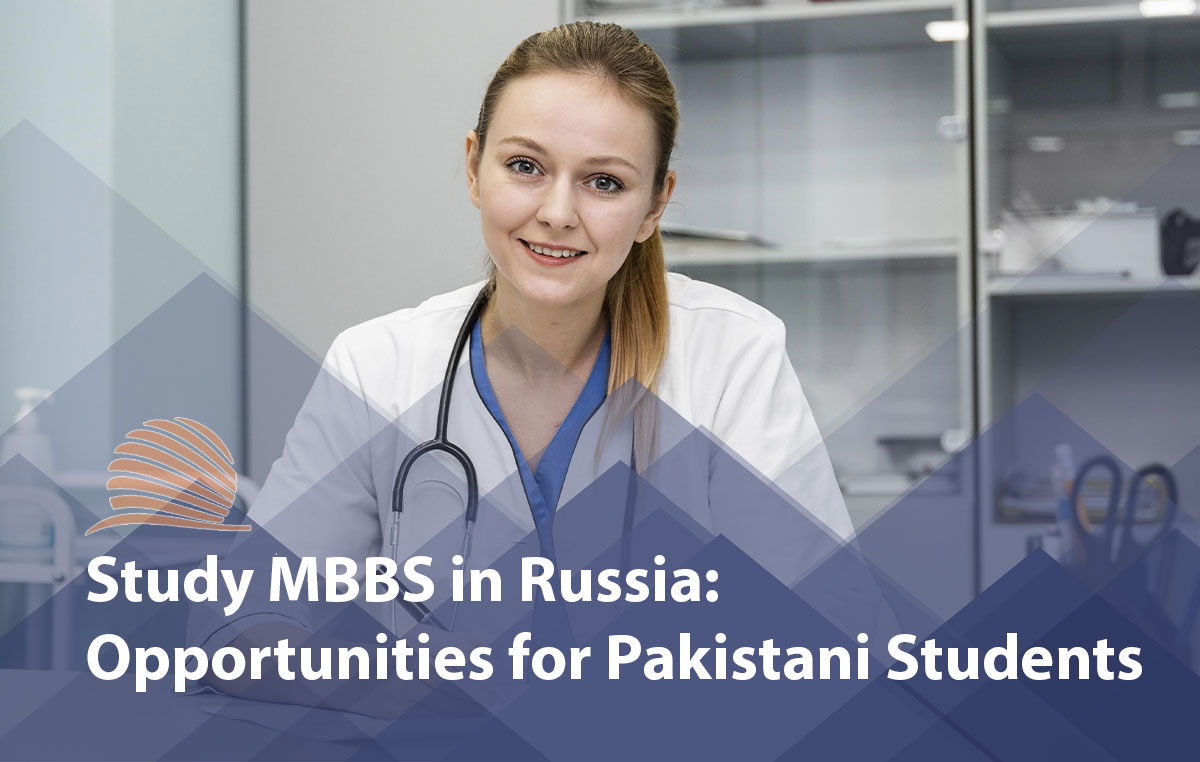
MBBS in Russia for Pakistani Students
MBBS in Russia is a popular choice for Pakistani students who want to pursue medical education abroad at a comparatively affordable cost. Russian medical universities have a long history of medical education and offer programs for international students, including English-taught options. For students who are unable to secure a suitable MBBS seat in Pakistan, Russia can provide another pathway to an international medical degree.
Many medical programs in Russia are structured over six years, combining academic study with practical and clinical training. Pakistani students should carefully check the recognition and current admission status of their chosen university before applying.
Why Study MBBS in Russia?
Russia attracts international medical students because of its established universities, diverse student population, and comparatively reasonable tuition fees. Several universities also offer English-medium programs designed for international applicants.
Main Benefits of MBBS in Russia
- English-taught MBBS programs are available
- Affordable tuition compared with many Western destinations
- Established medical universities and teaching hospitals
- International student communities
- Multiple university options across different Russian cities
- Scholarships and financial support may be available
- Six-year medical education pathway at many universities
- Opportunities for further study and medical licensing abroad
For Pakistani students, Russia can be particularly suitable for those looking for an international medical education while keeping their overall study budget under control.
Top Medical Universities in Russia
Students can explore a range of Russian universities offering medical programs to international students. Popular options may include:
| Medical University | City | International Study Option |
|---|---|---|
| Sechenov University | Moscow | English |
| Pirogov Russian National Research Medical University | Moscow | English |
| Kazan Federal University | Kazan | English |
| Bashkir State Medical University | Ufa | English |
| Volgograd State Medical University | Volgograd | English |
| Orenburg State Medical University | Orenburg | English |
| Altai State Medical University | Barnaul | English |
| Crimea Federal University | Simferopol | English |
Program availability, tuition fees, admission conditions, and recognition can change, so students should verify the latest status before making a final decision.
MBBS in Russia Fees for Pakistani Students
One of the major reasons students consider Russia is the relatively manageable MBBS in Russia fees. Tuition depends on the university, city, program language, and other institutional charges.
A general estimate for medical tuition can be around USD 4,000 to USD 8,000 per year, although some universities may charge outside this range. Accommodation, food, insurance, visa expenses, travel, and other costs should be included when calculating the complete budget.
| Expense | Approximate Annual Cost |
|---|---|
| MBBS Tuition | USD 4,000–8,000 |
| Hostel | Varies by university |
| Food & Living | Depends on lifestyle |
| Insurance | Additional |
| Visa & Travel | Additional |
The exact cost should always be confirmed with the university before paying admission or tuition charges.
MBBS in Russia Admission Requirements
Pakistani students generally need to meet academic and documentation requirements set by the selected university. Common requirements include:
- FSc Pre-Medical or equivalent qualification
- Biology, Chemistry, and Physics
- Required academic marks according to the university
- Valid Pakistani passport
- Matric and FSc certificates
- Academic transcripts
- Passport-size photographs
- Medical fitness certificate
- HIV/AIDS test report where required
- Other documents requested by the university
Requirements can vary between institutions, so students should not assume that the criteria of one university apply to all Russian medical universities.
How to Apply for MBBS in Russia from Pakistan
The application process can be completed through the following steps:
1. Select a University:
Compare tuition fees, program language, location, facilities, accommodation, and recognition requirements.
2. Prepare Your Documents:
Arrange your passport, academic certificates, transcripts, photographs, and medical documents.
3. Submit the Application:
Complete the university's international student application according to its instructions.
4. Receive Admission Confirmation:
If your application is successful, the university provides the relevant admission documents.
5. Obtain the Invitation:
An official university invitation is generally required for the Russian student visa process.
6. Apply for a Student Visa:
Submit the required documents and complete the visa process.
7. Travel and Enroll:
After visa approval, travel to Russia and complete university registration.
English-Taught MBBS in Russia
Many Russian universities offer MBBS in English for international students. This allows Pakistani students to begin their medical education without needing to study the entire academic program in Russian.
However, learning basic Russian can still be valuable. During clinical training, communication with local patients may require knowledge of the Russian language. Students who learn everyday Russian can find communication and daily life considerably easier.
Scholarships for MBBS in Russia
Pakistani students may explore MBBS scholarships in Russia and other financial support opportunities. Russian government scholarship programs, university scholarships, and other funding options may be available for eligible international students.
Scholarship coverage and eligibility differ between programs. Some opportunities may cover tuition or provide financial assistance, while others may have specific academic or admission conditions. Students should check deadlines early because scholarship applications can follow a different schedule from regular admissions.
Student Visa for Russia
After receiving admission and the required invitation from the university, Pakistani students can begin the Russian student visa process. Commonly required documents can include a valid passport, university invitation, visa application, photographs, and medical documentation. Visa arrangements should be started early to avoid delays before the academic session begins.
Recognition and Career Planning
Recognition is one of the most important factors when choosing an MBBS university in Russia. Pakistani students who intend to return to Pakistan should verify the university's current status with the relevant Pakistani medical authorities before admission.
Students should also understand the licensing requirements that apply after graduation. If the goal is to work in another country, that country's medical registration and licensing pathway should be researched before selecting a university.
Is MBBS in Russia a Good Choice for Pakistani Students?
Russia can be a suitable destination for Pakistani students who want an international medical degree, English-taught study options, and comparatively affordable tuition. However, the cheapest university is not automatically the best choice.
Before applying, compare:
- University recognition
- Clinical training facilities
- Program language
- Total six-year cost
- Hostel and living arrangements
- Admission requirements
- Student support
- Future licensing requirements
Making these checks before admission can help students avoid costly problems later.
FAQs – MBBS in Russia
Is MBBS in Russia good for Pakistani students?
Yes, Russia offers several established medical universities and English-taught programs for international students. Pakistani students should verify the current recognition and admission status before choosing a university.
How long is MBBS in Russia?
Many medical programs in Russia follow a six-year structure, combining academic education with practical and clinical training.
What is the MBBS in Russia fee?
The annual tuition fee commonly falls around USD 4,000–8,000, although the actual amount depends on the university and program. Living, hostel, insurance, and travel expenses are additional.
Can Pakistani students study MBBS in Russia in English?
Yes. Several Russian medical universities offer English-taught programs for international students. Learning basic Russian can still be useful during clinical training and daily life.
What are the eligibility requirements for MBBS in Russia?
Requirements vary by university, but Pakistani students generally need FSc Pre-Medical or equivalent education with the required science subjects and academic marks, along with valid identification and medical documents.
Are scholarships available for MBBS in Russia?
Scholarship opportunities may be available through Russian government programs and individual universities. Students should check the latest eligibility criteria and deadlines before applying.
Can I return to Pakistan after completing MBBS in Russia?
Yes, graduates can return to Pakistan, but they must meet the applicable requirements for foreign medical graduates and obtain the necessary registration or licensing before practicing.
Do I need to learn Russian for MBBS in Russia?
The academic program may be available in English, but learning Russian is highly useful for communication with patients, especially during clinical training and hospital rotations.