
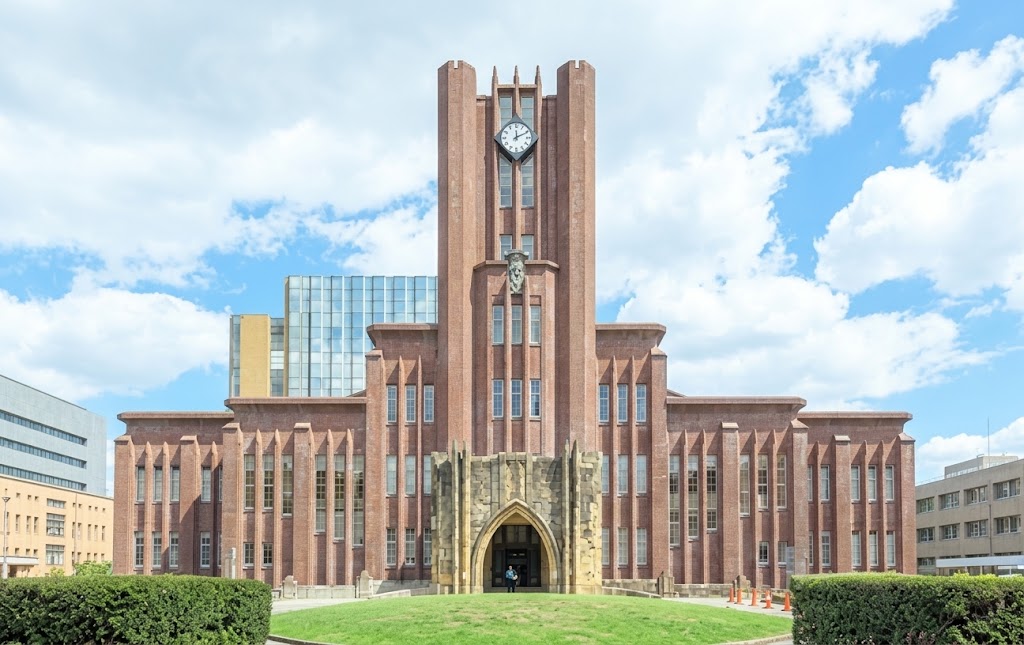
The University of Tokyo


Study abroad expert advice
Don't waste time! just fill the form to get help.
University Facts:
- Website : https://www.u-tokyo.ac.jp/en/
- QS Ranking : #39
- Times Ranking : #27
- Contact : +81 3 3811 3393
-
Country :
 Japan
University Information:
- Address : The University of Tokyo, 7-3-1 Hongo, Bunkyo-ku, Tokyo 113-0033, Japan
- Contact Mobile : +81 3 3811 3393
- Email : kyoumu.s@gs.mail.u-tokyo.ac.jp
The University of Tokyo, Japan
The University of Tokyo, commonly known as UTokyo or Todai, is one of Japan’s most established higher education institutions. Founded in 1877, it is located in Tokyo and is known for its academic programmes, research facilities, and contributions to science, technology, medicine, and the humanities.
The university provides a wide range of undergraduate and postgraduate study options. Students can explore fields such as engineering, computer science, medicine, economics, law, agriculture, education, and social sciences. Its academic environment combines broad foundational learning with specialised study and research.
For Pakistani students planning to study abroad, UTokyo offers the opportunity to experience Japan’s higher education system in a major international city. Applicants can also compare other universities around the world to find programmes that match their academic background, budget, and career goals.
History and Academic Excellence
The University of Tokyo was established in 1877 and played an important role in the development of modern higher education and research in Japan. Over time, it expanded its faculties, graduate schools, and research institutes to cover a broad range of academic disciplines.
Today, the university supports education and research across science, technology, medicine, social sciences, and humanities. Its approach encourages analytical thinking, independent research, and collaboration across different subject areas.
UTokyo also works with universities and research institutions internationally, creating opportunities for academic exchange and joint research. International applicants should review each programme carefully because entry requirements and teaching languages differ across departments.
Faculties and Academic Structure
The University of Tokyo offers undergraduate education through its faculties and advanced study through its graduate schools. Students can pursue specialist subjects while benefiting from the university’s broad academic and research environment.
Major study areas include:
- Science: Physics, chemistry, mathematics, biology, and related disciplines.
- Engineering: Civil, mechanical, electrical, electronic, and chemical engineering.
- Computer Science and Information Technology: Computer science, information systems, data-focused subjects, and advanced technology research.
- Medicine and Health Sciences: Medical education, biomedical sciences, and health-related research.
- Economics and Business-Related Studies: Economics, finance-related subjects, and quantitative analysis.
- Law and Public Policy: Legal studies, political science, and public administration.
- Agriculture and Environmental Sciences: Agricultural science, forestry, sustainability, and biological research.
- Humanities and Social Sciences: History, philosophy, literature, sociology, education, and cultural studies.
Programme availability, admission routes, and language requirements vary by faculty and degree level. Students should check the specific department before preparing an application.
Courses and Study Programmes at The University of Tokyo
UTokyo offers undergraduate, master's, doctoral, and research-based study opportunities. The most suitable programme depends on an applicant’s previous qualifications, academic interests, language proficiency, and future plans.
Popular Study Areas
| Study Area | Examples of Subjects |
|---|---|
| Computer Science and IT | Computer science, information science, computing research |
| Engineering | Mechanical, civil, electrical, and chemical engineering |
| Natural Sciences | Physics, chemistry, mathematics, and biology |
| Medicine | Medical sciences, biomedical research, and health-related fields |
| Economics | Economics, quantitative methods, and related research |
| Law and Public Policy | Law, political science, and public policy |
| Agriculture and Environment | Agricultural science, forestry, and environmental research |
| Humanities and Social Sciences | History, literature, philosophy, sociology, and education |
Some programmes are available in English, particularly selected international undergraduate and graduate pathways. Many other undergraduate programmes require strong Japanese-language proficiency. Students should confirm the language of instruction and the exact programme requirements before applying.
You can explore other courses for studying abroad to compare academic options and potential study destinations.
Campuses and Learning Environment
The University of Tokyo operates multiple campuses and academic facilities across the Tokyo region. Different faculties and research units are based at different locations.
- Hongo Campus: A major campus hosting many faculties, administrative facilities, and research departments.
- Komaba Campus: Known for its role in undergraduate education and foundational academic study.
- Kashiwa Campus: Supports advanced research and interdisciplinary academic activities.
The campus environment includes libraries, laboratories, research facilities, student services, and spaces for academic collaboration. Applicants should check where their chosen programme is based before arranging housing or planning their daily commute.
Admission Requirements for International Students
Admission requirements depend on the degree level, faculty, programme, and application route. Pakistani students should confirm that their qualifications meet the university’s requirements before applying.
Typical requirements may include:
- Academic transcripts and certificates.
- A recognised secondary-school qualification for eligible undergraduate programmes.
- A relevant bachelor's degree for master's admission.
- A master's degree or equivalent qualifications for many doctoral programmes.
- English-language test results where required for English-taught programmes.
- Japanese-language proficiency for programmes taught in Japanese.
- Entrance examinations, interviews, or other assessments.
- Recommendation letters, a statement of purpose, or a research proposal for selected programmes.
- A valid passport and any additional requested documents.
Requirements differ between undergraduate and graduate programmes. Some departments have specific examinations or research expectations, so applicants should follow the instructions published by the relevant faculty or graduate school.
How to Apply to The University of Tokyo
International applicants should follow the application procedure for their selected programme.
- Choose your programme: Confirm the degree level, subject, faculty, and language of instruction.
- Check eligibility: Review academic prerequisites, language requirements, and any examination conditions.
- Prepare documents: Collect transcripts, certificates, identification documents, and any required recommendations or research plans.
- Submit the application: Follow the correct application route and meet the stated deadline.
- Complete assessments: Take any required entrance examination, interview, or other selection process.
- Review the result: Follow the university’s instructions if you receive an offer of admission.
- Prepare for Japan: Plan your finances, accommodation, travel, and student visa arrangements.
Applicants should start early because application dates and procedures may vary significantly across faculties and programmes.
Tuition Fees and Cost of Studying in Japan
The total cost of studying at The University of Tokyo depends on the programme, degree level, accommodation, and personal spending habits. Students should check the latest official fee schedule rather than relying on general estimates.
Common expenses include:
| Expense | What to Budget For |
|---|---|
| Tuition fees | Annual tuition for the selected programme |
| Admission fee | One-time admission payment, where applicable |
| Accommodation | University housing or private rental |
| Food | Groceries and meals |
| Transport | Public transport and commuting |
| Study materials | Books, equipment, and academic resources |
| Personal expenses | Mobile service, clothing, and daily needs |
Tokyo is a major metropolitan area, so accommodation and everyday costs can vary considerably by neighbourhood and lifestyle. Pakistani students should prepare a realistic monthly budget and allow extra funds for initial settlement expenses.
Scholarships at The University of Tokyo
Scholarships can help eligible international students manage the cost of studying in Japan. Available funding depends on the applicant’s nationality, academic record, degree programme, and the scholarship’s conditions.
Potential options to investigate include:
- Japanese Government MEXT Scholarship: Government-funded opportunities available through specific application routes and eligibility criteria.
- University Scholarships: Funding and financial support schemes available to eligible students through university channels.
- JASSO Support: Relevant scholarship or student support programmes, subject to eligibility and availability.
- External Scholarships: Awards offered by recognised foundations and other organisations.
Scholarships may cover tuition, provide a monthly stipend, or offer other forms of financial assistance. Some require a separate application, while others may be linked to an admission route. Applicants should verify the current conditions and deadlines.
Explore more scholarships for international students to compare potential funding options.
Research and Innovation
Research is a major part of The University of Tokyo’s academic environment. Its faculties and research centres work across areas such as engineering, information technology, medicine, environmental science, natural sciences, and social research.
The university encourages interdisciplinary collaboration and research that addresses scientific, technological, and societal challenges. Master's and doctoral students may have opportunities to work with academic supervisors and research groups, depending on their programme and qualifications.
Applicants interested in research-based degrees should review faculty research interests, identify potential supervisors where required, and confirm whether their proposed topic aligns with the department’s expertise.
Student Life in Tokyo
Tokyo offers international students access to public transport, libraries, museums, cultural attractions, shopping districts, and a wide range of food and leisure activities. Students can experience modern city life while learning about Japanese traditions and culture.
Living in Tokyo also requires practical planning. Students should arrange suitable accommodation, understand commuting options, and prepare for differences in language and daily routines. Learning basic Japanese can make everyday communication easier, even for students enrolled in English-taught programmes.
The university’s student support services and international student resources can help newcomers understand campus procedures and settle into their studies.
Career Opportunities After Graduation
Graduates of The University of Tokyo may pursue careers in Japan or other countries, depending on their qualifications, work experience, language skills, and professional requirements.
Potential career areas include:
- Engineering and technology.
- Software development and information technology.
- Scientific research and higher education.
- Healthcare and biomedical research.
- Business, economics, and consulting.
- Environmental science and sustainability.
- Public policy and international organisations.
Students who want to work in Japan should investigate employer expectations, Japanese-language requirements, and the immigration rules that apply to international graduates.
Why Choose The University of Tokyo?
The University of Tokyo may be a suitable choice for students seeking:
- A well-established national university in Japan.
- Undergraduate and postgraduate study across a wide range of disciplines.
- A research-oriented academic environment.
- Access to laboratories, libraries, and specialist research facilities.
- Selected English-taught programmes and international study pathways.
- The opportunity to live and study in Tokyo.
Before applying, compare the programme curriculum, language requirements, tuition and living costs, scholarship options, and admission process to determine whether the university suits your goals.
Frequently Asked Questions
Can Pakistani students apply to The University of Tokyo?
Yes. Pakistani students can apply to programmes for which they meet the academic, language, and other eligibility requirements. The exact process depends on the selected faculty and degree level.
Does the University of Tokyo offer English-taught programmes?
Yes. Selected undergraduate and graduate programmes are available in English. However, many undergraduate programmes require Japanese-language proficiency, so applicants should confirm the teaching language of their chosen course.
What courses are available at The University of Tokyo?
Study areas include engineering, computer science, medicine, natural sciences, economics, law, agriculture, humanities, and social sciences. The courses available depend on the faculty and degree level.
Are scholarships available for international students?
Eligible students may investigate MEXT scholarships, university funding, JASSO opportunities, and external scholarships. Eligibility, coverage, and application procedures vary.
How much does it cost to study at The University of Tokyo?
The total cost includes tuition and admission fees, accommodation, food, transport, study materials, and personal expenses. Students should check the latest official fee information and calculate their own living budget.
Does The University of Tokyo offer master's and PhD programmes?
Yes. The university offers master's and doctoral programmes through its graduate schools. Applicants should review the relevant department’s academic prerequisites, language requirements, and research expectations.
Where is The University of Tokyo located?
The university is based in Tokyo, Japan, with major campuses including Hongo, Komaba, and Kashiwa. The location of the relevant faculty depends on the programme.
For current programme details, admission procedures, tuition fees, scholarships, and international student guidance, visit the official website of The University of Tokyo.
Study abroad World Ranking

- #27 Times Higher Education Ranking
- #39 QS World Ranking

The University of Tokyo
The University of Tokyo is one of the leading universities in Azerbaijan.