
Study abroad in Austria for Pakistani students


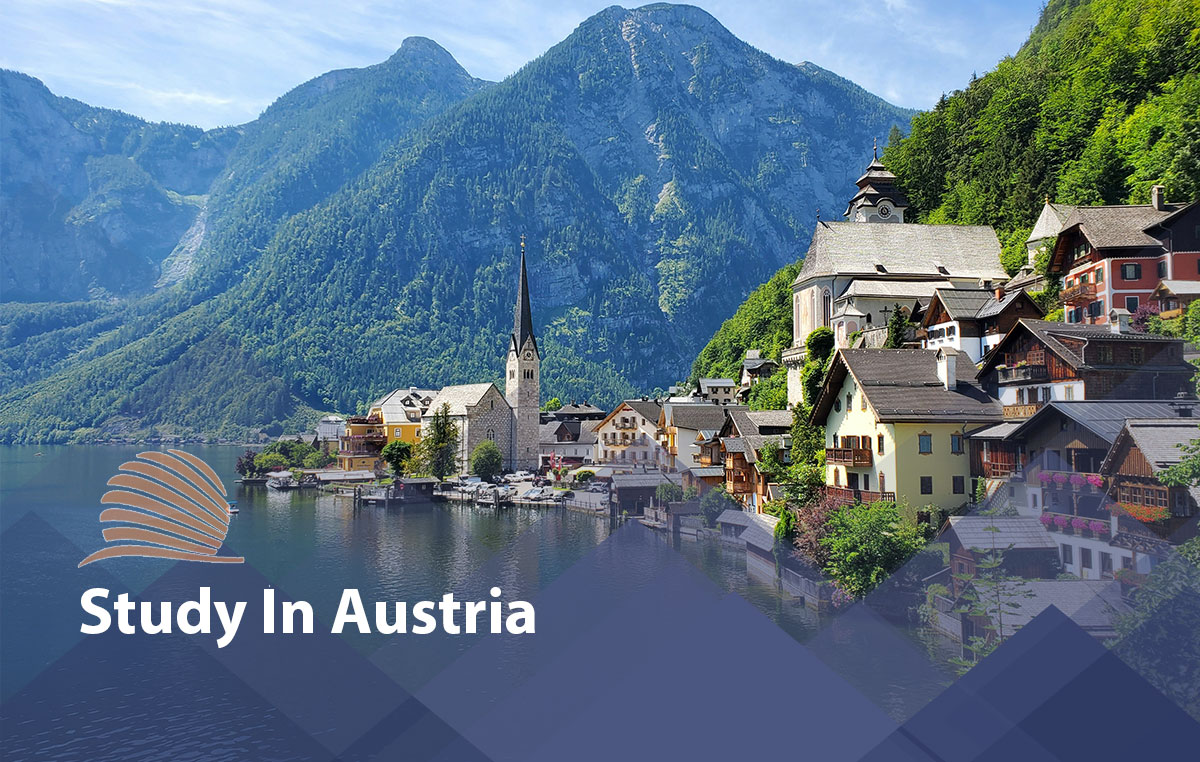
Study abroad expert advice
Don't waste time! just fill the form to get help.
Study in Austria for Pakistani Students: Universities and Costs
Studying abroad is a popular goal for Pakistani students seeking quality education, international exposure, and better career opportunities. Austria has become an attractive destination for higher education because of its respected universities, diverse academic programs, and relatively affordable tuition at many public institutions.
Located in Central Europe, Austria offers a combination of academic excellence, cultural diversity, and a high standard of living. Students can explore undergraduate, postgraduate, and doctoral programs in fields such as engineering, business, computer science, medicine, and social sciences.
For Pakistani students planning to study in Europe, Austria offers opportunities to develop academic knowledge, gain international experience, and prepare for future careers.
Why Study in Austria?
Austria attracts international students through its higher education system, research opportunities, and multicultural environment. Students can choose between public universities, universities of applied sciences, and private institutions according to their academic interests and budgets.
Key Benefits of Studying in Austria
- Quality education: Austrian universities offer a wide range of academic and research programs.
- Affordable public university tuition: Public universities generally charge lower tuition fees than many universities in other popular study destinations.
- English-taught programs: Students can find English-medium courses, particularly at master's level, although many programs are taught in German.
- International exposure: Studying in Austria provides opportunities to interact with students from different countries.
- Career development: Universities offer academic and practical learning opportunities across various industries.
- European location: Austria's location makes it convenient to explore other European destinations, subject to applicable travel requirements.
Students should compare universities carefully because tuition fees, program availability, and admission criteria vary by institution.
Universities and Courses in Austria
Austria offers a broad selection of higher education institutions, including public universities, universities of applied sciences, and private universities. Each institution has its own admission process, course structure, and academic requirements.
Popular Study Fields in Austria
Pakistani students can explore programs in the following areas:
- Engineering and technology
- Computer science and information technology
- Business administration and management
- Medicine and health sciences
- Economics and finance
- Tourism and hospitality management
- Environmental sciences
- Arts, humanities, and social sciences
Undergraduate, Master's, and PhD Programs
Bachelor's programs: Students who have completed Intermediate, FA, FSc, ICS, A-levels, or an equivalent qualification can investigate bachelor's degree options. Admission depends on the equivalence of previous qualifications and the requirements of the chosen program.
Master's programs: Applicants generally need a recognized bachelor's degree in a relevant subject. Some programs require specific prerequisite courses or additional selection procedures.
PhD programs: Doctoral applicants usually need a relevant master's degree, a suitable research proposal, and any additional qualifications required by the university.
Students can explore available study abroad courses to compare academic fields and identify suitable degree options.
Language Requirements for Studying in Austria
German is the main language of everyday life in Austria, and many bachelor's programs are taught in German. However, several universities also offer degree programs in English, particularly at the postgraduate level.
English-Taught Programs
Students applying to English-medium programs may need to provide IELTS, TOEFL, or another accepted form of English proficiency. The required score depends on the institution and course.
Learning German
German proficiency can be important for admission to German-taught programs, everyday communication, internships, and employment opportunities. Some universities offer preparatory language courses for eligible students.
Before applying, confirm the language of instruction and whether a language certificate is required for your chosen program.
Admission Requirements for Pakistani Students
Admission requirements for Austrian universities depend on the degree level, subject, and institution. Pakistani students should review the university's official criteria before preparing an application.
Common Admission Requirements
Applicants may need:
- Academic certificates and transcripts
- A valid passport
- Proof of eligibility for the selected degree
- English or German language proficiency results, where required
- A CV or motivation letter, if requested
- Recommendation letters for selected programs
- A portfolio, entrance examination, or research proposal for certain courses
- Certified translations or document attestations, where applicable
For bachelor's admission, students may need to demonstrate that their previous education qualifies them for the intended degree. Some applicants may be required to meet additional academic or subject-specific conditions.
How to Apply to Austrian Universities
- Choose a suitable course and institution.
- Review academic and language requirements.
- Check application deadlines and entrance examination dates.
- Prepare and submit the required documents.
- Complete any additional assessment or admission steps.
- Receive the admission decision and prepare for the relevant residence permit application.
Apply early because some programs have limited seats or deadlines several months before the semester begins.
Cost of Studying in Austria
The cost of studying in Austria depends on the university, degree program, city, and lifestyle. Public universities can be a comparatively affordable option for Pakistani students, but living expenses and financial proof requirements must also be considered.
Tuition Fees in Austria
For many non-EU students holding a student residence permit, public universities generally charge tuition of approximately €726.72 per semester, plus the compulsory student union fee. Exemptions and different arrangements may apply in specific circumstances.
| Institution type | Tuition fee guidance |
|---|---|
| Public universities | Generally €726.72 per semester for many non-EU students |
| Universities of applied sciences | Fees vary by institution and program |
| Private universities | Fees vary considerably by institution and course |
Always confirm the current fee schedule directly with the university before applying.
Living Expenses in Austria
Students should budget for accommodation, food, transport, health insurance, study materials, and personal expenses. Costs are generally influenced by the city and type of accommodation.
| Expense category | What to budget for |
|---|---|
| Accommodation | Student housing, dormitory, or shared apartment |
| Food | Groceries and occasional meals outside |
| Transport | Public transport passes and local travel |
| Health insurance | Required insurance coverage |
| Personal expenses | Books, phone, clothing, and leisure |
Create a monthly budget before travelling and make sure you can cover your expenses without depending on finding a part-time job immediately after arrival.
Scholarships in Austria for Pakistani Students
Scholarships can help eligible students manage the cost of higher education. Funding opportunities may be offered through government programs, universities, research institutions, and international exchange initiatives.
Scholarship Opportunities
Students can investigate:
- Austrian government and OeAD scholarship opportunities
- Erasmus+ funding for eligible programs and exchanges
- University-specific merit scholarships
- Research funding and doctoral opportunities
- Grants offered through eligible academic partnerships
Scholarship availability depends on the program, nationality, academic background, and funding conditions. Not every scholarship covers full tuition or living expenses.
Explore available international scholarships and check each opportunity's eligibility criteria, application deadlines, and funding benefits.
Austria Student Visa and Residence Permit
Pakistani students planning to study in Austria must follow the applicable immigration procedures. For degree programs lasting longer than six months, a Residence Permit – Student is generally relevant, although the exact process depends on the applicant's circumstances.
Common Documents for the Application
Students may be asked to provide:
- Valid passport and application forms
- University admission confirmation
- Proof of sufficient financial resources
- Evidence of accommodation
- Required health insurance
- Birth certificate or other civil documents, where applicable
- Police clearance or additional documents, if requested
Applicants must satisfy the current financial requirements and submit the documents specified by the competent Austrian authorities. These requirements can change, so verify the latest amounts and procedures before applying.
Student Visa Application Steps
- Secure admission to an eligible Austrian institution.
- Review the residence permit requirements.
- Prepare the financial, academic, accommodation, and insurance documents.
- Submit the application through the appropriate Austrian representation or authority.
- Respond promptly to requests for additional documentation.
- Make travel arrangements after receiving the necessary approval.
A complete application and early planning can help reduce avoidable delays, but approval is never guaranteed.
Part-Time Work and Career Opportunities
Eligible international students may be able to work while studying in Austria, subject to immigration rules and the required employment authorization. The permitted working hours and conditions should be confirmed before accepting a job.
Part-time opportunities may be available in hospitality, retail, administration, and other sectors. German language skills can help students communicate more effectively and expand their employment options.
After graduation, career opportunities depend on qualifications, relevant experience, employer requirements, and the immigration rules applicable to the graduate. Students interested in working in Austria should research post-study residence and employment pathways before choosing a program.
Student Life and Accommodation in Austria
Austria offers a mix of historic cities, modern facilities, cultural attractions, and outdoor activities. International students can experience local traditions while building friendships with people from different backgrounds.
Popular Student Cities
- Vienna: Known for its cultural institutions, public transport, and wide range of academic options.
- Graz: A university city with a strong student community.
- Innsbruck: Offers a distinctive setting surrounded by the Alps.
- Linz: Known for technology, industry, and cultural activities.
Students can explore university residences, shared apartments, and private rentals. It is advisable to arrange accommodation early, especially in cities with high demand for student housing.
Is Austria a Good Choice for Pakistani Students?
Austria can be a suitable destination for Pakistani students seeking recognized qualifications, research opportunities, and an international learning environment. Public university tuition may be relatively affordable, but students still need to plan carefully for living expenses, financial proof, language requirements, and admission eligibility.
Before making a decision, compare Austria with other study abroad destinations and assess which country best matches your academic goals and financial circumstances.
Conclusion
Studying in Austria can provide Pakistani students with access to diverse degree programs, internationally oriented education, and opportunities for academic and professional development. From bachelor's degrees to master's and doctoral studies, students can choose from a range of fields based on their interests and qualifications.
Successful planning starts with selecting the right university, understanding tuition and living costs, preparing the required documents, and meeting language and immigration requirements. With careful research, students can decide whether Austria is the right destination for their higher education journey.



Recent Posts





Latest Scholarships in Austria
| Scholarship Name | Country | Education Level | Apply By |
|---|---|---|---|
| Austria | PhD | 01 Nov 2026 | |
| Austria | Masters | 30 Nov 2026 |
Study Abroad Consultants for Austria


Muhammad Akram ch (CEO)logo hcs (1).jpg)
Lahore