
Study abroad in Iceland for Pakistani students


Study abroad expert advice
Don't waste time! just fill the form to get help.
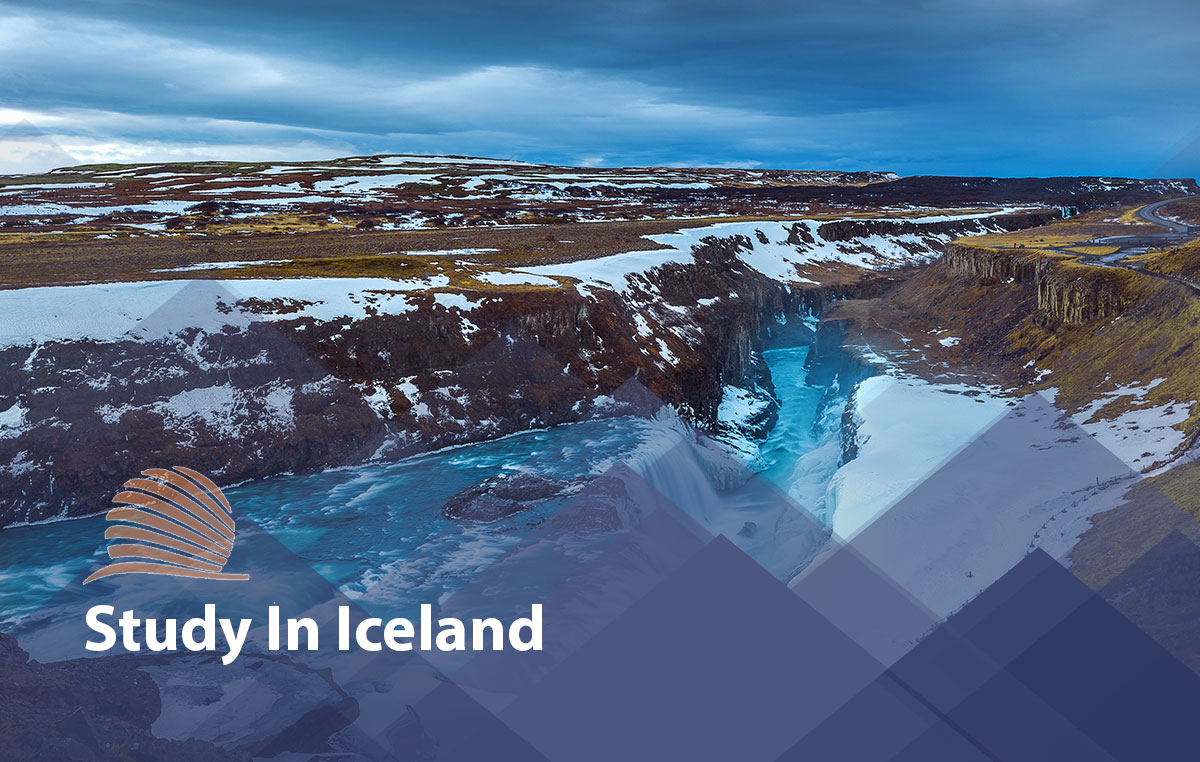
Study in Iceland for Pakistani Students
Iceland is an attractive destination for Pakistani students interested in quality higher education, research, and an international learning environment. This Nordic country is known for its natural beauty, modern society, and academic strengths in renewable energy, environmental science, technology, and marine studies.
Students can explore bachelor's, master's, and PhD programmes at Icelandic universities. Some courses are taught in English, particularly at postgraduate level, making Iceland an option for students seeking international education in a distinctive European setting.
Why Study in Iceland?
Iceland offers several benefits for international students looking to develop their academic knowledge and career prospects.
- Quality education: Universities focus on research, innovation, and specialised academic fields.
- English-taught programmes: Selected degrees are available in English, especially at master's and doctoral levels.
- Research opportunities: Iceland is particularly interesting for students studying renewable energy, geology, climate science, and environmental sustainability.
- Safe environment: Students can experience a modern society with a strong focus on community and quality of life.
- International exposure: Studying in Iceland offers opportunities to experience Nordic culture and connect with students from different backgrounds.
Top Universities in Iceland
When choosing a university, compare programme availability, admission criteria, tuition or registration fees, and language requirements.
| University | Popular Study Areas |
|---|---|
| University of Iceland | Sciences, humanities, social sciences |
| Reykjavik University | Engineering, computer science, business |
| University of Akureyri | Health sciences, business, social sciences |
| Iceland University of the Arts | Design, music, fine arts, performing arts |
| Agricultural University of Iceland | Agriculture, environmental studies, land management |
Not every university offers every degree level or an English-taught programme in each subject. Check the course details before applying.
Popular Courses to Study in Iceland
Pakistani students can explore programmes in a range of academic fields, including:
- Computer Science and Information Technology
- Renewable Energy and Environmental Science
- Engineering and Technology
- Business Administration and Management
- Geology and Earth Sciences
- Marine and Natural Sciences
- Public Health and Social Sciences
- Arts, Design, and Creative Studies
Students interested in research may also find specialised master's and PhD opportunities connected with Iceland's environment, energy resources, and scientific research.
Explore additional study options through StudyAbroad.pk courses section.
Tuition Fees and Cost of Living in Iceland
The cost of studying in Iceland depends on the institution, programme, and your starting year. Some public universities have historically charged registration fees rather than conventional tuition fees, but rules for students from outside the EEA/EFTA are changing. Pakistani applicants should confirm the fee policy for their intended intake.
| Expense | What to Consider |
|---|---|
| University fees | Registration fees or tuition, depending on the institution and applicable rules |
| Accommodation | Student housing or private rentals |
| Food and groceries | Monthly spending based on lifestyle |
| Transport | Local travel and commuting |
| Insurance and personal expenses | Required coverage and everyday needs |
Reykjavík can be expensive, particularly for accommodation. Build a realistic budget covering university fees, housing, food, transport, insurance, and travel before accepting an offer.
Scholarships in Iceland for Pakistani Students
Scholarships and other funding opportunities may help eligible students manage their education costs. Availability depends on the university, programme, academic level, and scholarship conditions.
Potential options to investigate include:
- University-specific funding opportunities
- Government-funded scholarships for eligible language or academic programmes
- Erasmus+ exchange opportunities
- Research funding and doctoral positions
Do not assume that a scholarship covers all expenses. Check whether it pays tuition, registration fees, accommodation, living costs, or only part of the total budget.
Explore opportunities on StudyAbroad.pk Iceland scholarships page.
Admission Requirements for Pakistani Students
Admission requirements vary by university and programme. Applicants may commonly need:
- A valid passport
- Matriculation and Intermediate certificates for bachelor's applications
- A relevant bachelor's degree and transcripts for master's applications
- A relevant master's qualification or equivalent for doctoral study, where required
- English-language test results, if required
- A CV and motivation letter
- Recommendation letters or a research proposal for selected programmes
- Additional documents or application fee payment, where applicable
Some programmes have specific academic prerequisites. Check the university's official entry requirements before preparing your application.
How to Apply to Icelandic Universities
- Choose a programme: Find a course that matches your academic background and career goals.
- Review eligibility: Check previous qualification requirements, language criteria, and application deadlines.
- Prepare documents: Arrange transcripts, certificates, passport details, and other required paperwork.
- Submit your application: Follow the university's official application process and pay any required fee.
- Confirm your admission: Review the offer and any conditions you must meet.
- Prepare your residence permit application: Gather the documents required for legal residence during your studies.
Apply well ahead of the deadline, as application dates and document requirements differ between institutions.
Iceland Student Visa and Residence Permit
Pakistani students generally need the appropriate residence permit to study in Iceland for an extended period. The application process may require proof of admission, financial resources, a valid passport, and other supporting documents.
Requirements and procedures can change, so confirm the latest instructions with Icelandic immigration authorities and the relevant Icelandic diplomatic mission before applying.
Read the Iceland student visa guide for Pakistani students for more information.
Student Life in Iceland
Student life in Iceland combines academic study with opportunities to experience Nordic culture and dramatic natural landscapes. Students can explore Reykjavík and other towns, join university activities, and enjoy outdoor experiences during their free time.
English is widely used in many academic settings, but Icelandic is the national language. Learning basic Icelandic can help with everyday communication and may improve employment prospects.
Because accommodation and daily expenses can be high, students should arrange housing early and make sure their finances can support them throughout their studies.
Career Opportunities After Graduation
Graduates may explore opportunities in technology, research, renewable energy, tourism, business, and environmental fields. Available jobs depend on qualifications, work experience, language skills, and employer requirements.
Students who want to remain in Iceland after graduation should investigate the applicable residence permit options and eligibility conditions. A degree does not automatically guarantee employment or permanent residence.
Final Thoughts
Studying in Iceland can be a worthwhile option for Pakistani students interested in research, technology, environmental science, and specialised academic programmes. Before applying, compare universities, check the latest fee arrangements, investigate scholarships, and prepare for admission and residence permit requirements.
Careful academic and financial planning will help you decide whether Iceland fits your educational goals. Explore more destinations through StudyAbroad.pk study guides.



Recent Posts




Latest Scholarships in Iceland
| Scholarship Name | Country | Education Level | Apply By |
|---|
